
Insights from the frying line.
Real results, oil chemistry explained, and practical guidance for industrial fryer operators.
Proof, in gallons and hours.
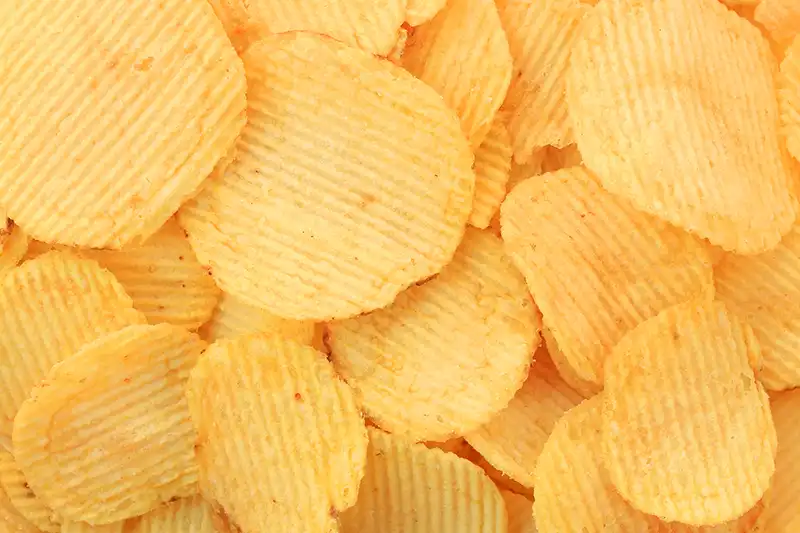
Chip Line Eliminates Oil Changes for 18 Months
A Midwest snack manufacturer with a 400-gallon fryer went from weekly oil changes to zero.
Read the results
After installing the OilSaver on a 400-gallon continuous fryer, this manufacturer ran 18 months without a single oil change. Fry color held steady across three shifts, FFA levels stayed within spec using an absorbent, and the drying sequence reclaimed an average of 7 gallons of oil per day from the sediment cake. Combined oil, energy, and downtime savings recovered the full system cost in under 11 months.
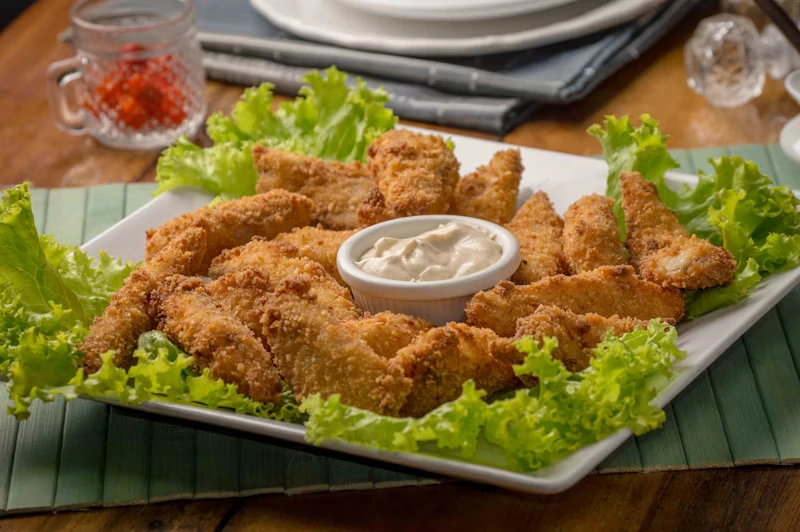
Breaded Protein Line Cuts Boil-Outs by 75%
Heavy breading meant heavy fines. 1-micron filtration changed the math on sanitation.
Read the results
Breaded products shed enormous quantities of fines that overwhelmed this processor’s belt filter. With the OilSaver capturing solids within 5 minutes, boil-outs dropped from weekly to monthly — converting roughly 60 hours per year of sanitation into production time. Sanitary chemical spend fell measurably, and smoking and off-flavor complaints disappeared from QA reports.
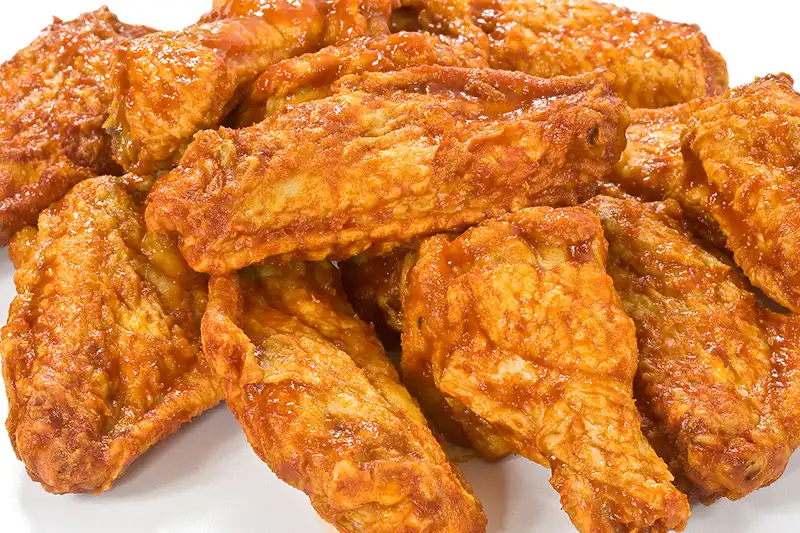
Switching to Lower-Cost Oil Saves Six Figures
With the OilSaver keeping oil stable, one processor switched to a less expensive oil blend.
Read the results
This frozen foods processor had been paying a premium for high-stability oil to survive between changes. Once the OilSaver was maintaining oil condition continuously, they switched to a less expensive, less stable oil — and the filter kept it in perfect condition. The oil-cost delta alone produced six-figure annual savings on top of eliminated oil changes.
Oil knowledge, from decades in the field.
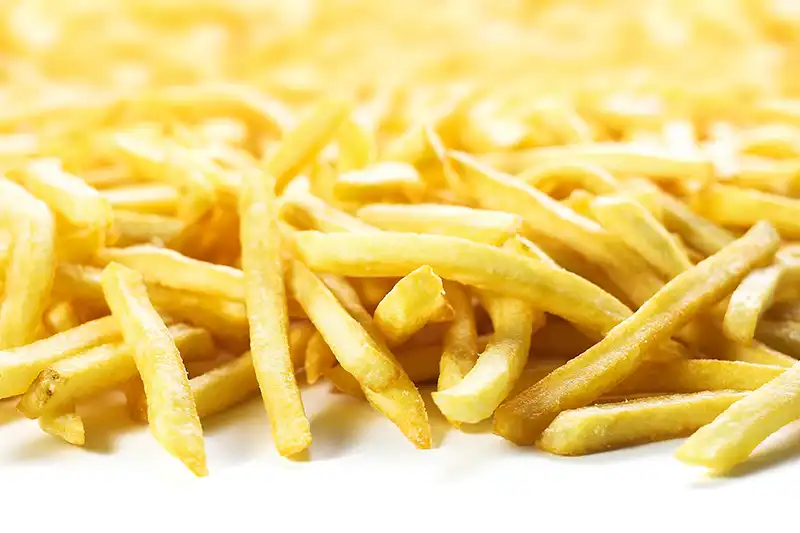
Why Fry Color Drifts — and How to Stop It
Color drift isn’t a mystery. It’s suspended fines slowly cooking in your oil.
Read the article
Every hour your fryer runs, product sheds fines into the oil. Coarse filters miss them, so they circulate, carbonize, and darken both the oil and your product. By midnight, your fries don’t match your 6 a.m. run. Filtering to 1 micron removes the fines before they cook — which is why OilSaver lines hold identical color across every shift. If your QA team tracks color drift, track your filtration level first.
The One-Day Test: Weigh Your Sediment
A simple experiment reveals how much oil you’re throwing in the dumpster.
Read the article
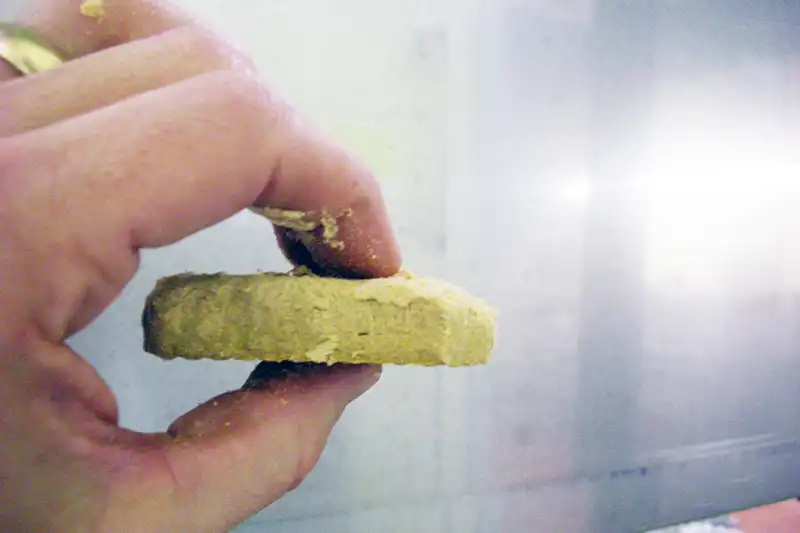
Here’s the test we give every prospective customer: weigh your solids/sediment during one full day of operation. About 20% of that weight is oil — oil you paid for, leaving your plant as waste. The OilSaver’s drying sequence recovers it, often 5–10 gallons per day. Multiply by your oil price and your operating days, and you have the first line of your ROI calculation before we’ve even discussed oil-change elimination.
Vacuum vs. Pressure: The Hot Oil Safety Question
Not all filtration systems treat 350°F oil with the same respect.
Read the article
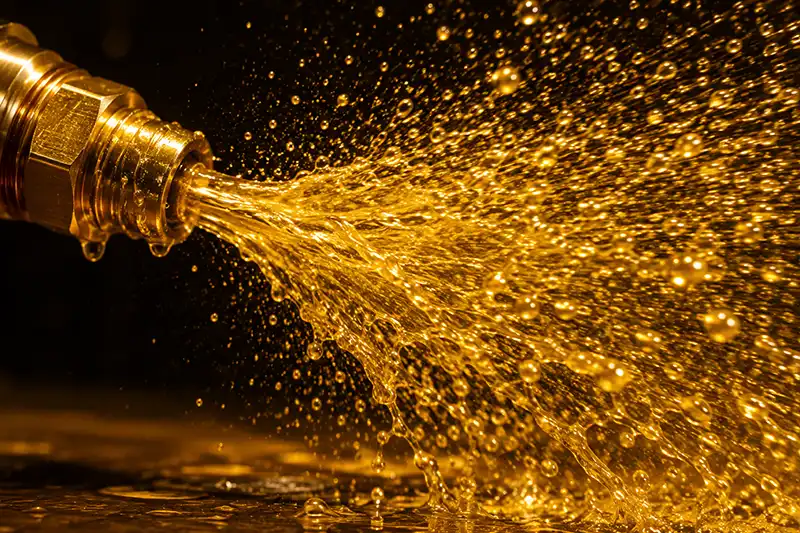
Pressurized filtration systems push hot oil through their circuits — which means a compromised fitting can spray oil at frying temperature. Vacuum-based systems like the OilSaver pull oil instead: if a connection fails, air is drawn in and the system loses suction. No spray, no burn risk, no incident report. When you evaluate fryer filtration, ask one question first: does it push or pull?
Want results like these on your line?
Every case study started with one call. We’ll run your numbers for free.